How Much Does a Pallet Cost? 5 Factors That Influence the Price


The price of pallets depends on many factors, so it is important to understand why prices can differ between the various types. Whether you are planning to buy new or used pallets, these basic factors determine how much you will have to pay.
1. Pallet type
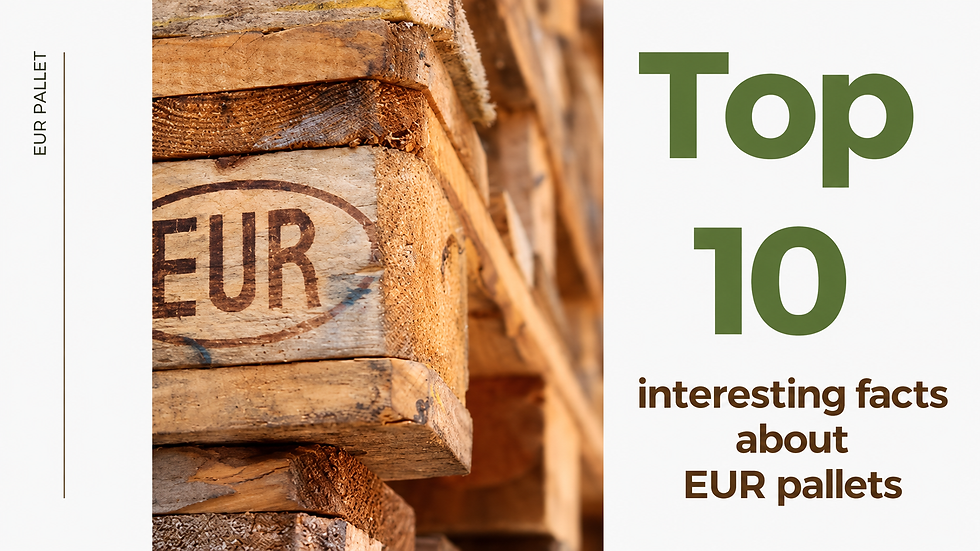
Prices can differ significantly depending on the type of pallet. EUR pallets are more expensive, as they are standardised and reusable, while one-way pallets are a cheaper alternative, as they are made for single use.
2. Material and quality
Pallets can be made of wood, plastic or metal. Wooden pallets are the most common and generally cheaper, while plastic and metal pallets are more expensive due to their longer service life. The quality grade (e.g. Grade 1 or Grade 2 pallet) also determines the price.
3. Pallet condition (new or used)
Used pallets are generally cheaper than new ones, as they have already been in use. However, their condition can vary, and refurbished or repaired pallets are often more expensive than those in poorer condition.
4. Heat treatment and standards
ISPM 15 heat-treated pallets may be more expensive, as they comply with international shipping regulations. If you intend to use the pallet for export, you may need a heat-treated version, which may cost more than pallets that have not been heat-treated.
5. Market demand and transport costs
Pallet prices can vary depending on the market price of timber and on supply and demand. In addition, transport costs can also significantly affect the price, especially if larger quantities need to be shipped.
For more information, visit our Pallet prices page!